An export compliance plan is a framework used to protect sensitive Technology Control Plan definitions and ensure it is not accessed or shared with unauthorized people, particularly in cases involving export-controlled research or information. It plays an essential role in assisting companies to meet criminal and regulatory requirements while ensuring the secure handling of sensitive information.
In today’s worldwide research and technology environment, universities, laboratories, and organizations frequently collaborate across borders. This makes export compliance more crucial than ever, as even accidental publicity of managed data can result in critical criminal and safety effects. A Technology Control Plan (TCP) helps prevent those risks by truly defining how sensitive information is saved, accessed, and shared.
At its center, a TCP isn’t always just a compliance record—it is a realistic roadmap for coping with risk. It outlines precise safety features, personnel regulations, and operational methods that make sure compliance with export control laws. Understanding this definition is the first step for absolutely everyone worried about research, engineering, or worldwide technology collaboration.
Why Technology Control Plans Are Important for Export Compliance
Technology manipulation plans are essential because export compliance laws strictly regulate how sensitive technologies are shared, especially across borders. Without the right TCP, businesses risk violating rules unintentionally, which can lead to excessive penalties, a lack of investment, or criminal consequences.
One of the biggest motives for TCPs is the protection of controlled research related to dual-use technology—objects that may be used for both civilian and military applications. Governments require institutions to make sure that such facts are not accessed by unauthorized foreign nationals or external parties.
Another key component is danger reduction. A TCP helps groups in reality define barriers so that everyone is aware of what can and can not be shared. This prevents confusion in collaborative environments in which worldwide researchers, students, or partners are involved. In a quick, TCP is not pretty much compliant—it’s miles about shielding national security, intellectual property, and institutional credibility.
Key Components of a Technology Control Plan
A sturdy Technology Control Plan definition includes several important components that work together to ensure compliance and protection. Each element addresses a distinctive layer of risk.
First, physical security controls are implemented, including limited lab access, locked storage areas, ID badge access systems, and monitored facilities. These controls save you from unauthorized bodily access to touchy environments.
Second, record security measures are used to protect digital data. This consists of encrypted documents, password-protected structures, restricted community access, and managed records sharing permissions.
Third, personnel screening and getting entry to manage make certain that only approved individuals can work with managed technology. This often includes background checks and approval from compliance officials.
Finally, schooling and documentation necessities make sure that all crew members understand their duties under export policies. Together, these elements create a layered protection system that reduces the threat of unintended or intentional violations.
When Is a Technology Control Plan Required?
A Technology Control Plan definition is needed each time an employer works with export-controlled technology or data that cannot be freely shared with all of us. One of the most common conditions is that foreign nationals are involved in studies and initiatives that consist of sensitive technical data.
TCPs are also required in tasks related to protection-associated technology, aerospace systems, encryption gear, or advanced engineering research governed by way of ITAR or EAR regulations. Even academic studies can fall under TCP requirements if it includes controlled datasets or proprietary industrial collaboration.
Another situation is global collaboration. When researchers from different nations work collectively, companies must ensure that controlled records are not accidentally disclosed.
In many instances, institutions perform a compliance overview before an undertaking begins. If dangers are recognized, a TCP becomes obligatory. This ensures that access is properly managed from the beginning rather than being corrected after problems arise.
Technology Control Plan vs Export Control Compliance Program
Although they may be closely associated, a Technology Control Plan definition and an export manipulation compliance program are not the same. A TCP is normally task-specific, which means it applies to 1 research task or a managed interest. It focuses on how the sensitive era is treated within those particular surroundings.
On the other hand, an export compliance application is broad. It defines the usual rules, training requirements, and regulatory techniques for the whole organisation. It acts as the umbrella framework that governs all export-related activities.
For instance, a university may have a vital export compliance office that manages training and criminal interpretation. However, each study’s challenge concerning the managed era will nonetheless require its own TCP.
In practice, they work together. The compliance application enforces the rules, at the same time as the TCP ensures those rules are carried out on the ground level. This layered technique strengthens security and decreases regulatory risk.
Steps to Develop a Technology Control Plan
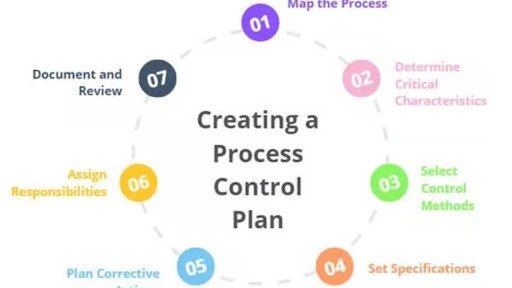
Creating a Technology Control Plan includes a method to ensure nothing is overlooked. The first step is figuring out managed generation, which includes reviewing whether the research falls below EAR or ITAR guidelines.
Next is a chance assessment, in which groups evaluate who may have get admission to to the data, particularly foreign nationals or external collaborators.
After that, precise safety features are defined, including physical access restrictions, IT protection controls, and records management guidelines.
The fourth step entails assigning roles and responsibilities, including principal investigators, compliance officials, and IT administrators. Everyone should truly understand their duties.
Finally, the TCP is reviewed, accredited, and implemented. Ongoing monitoring is likewise crucial because study environments frequently change. Updates make sure the plan remains effective and compliant with evolving policies.
Common Challenges in Implementing a TCP
While Technology Control Plans are essential, imposing them isn’t always easy. One of the most important projects is balancing open academic collaboration with strict security requirements. Researchers often need to analyze records globally, which could conflict with export regulations.
Another undertaking is administrative complexity. Preparing and preserving a TCP requires documentation, approvals, and everyday updates, which can slow down research progress.
Training is likewise a common issue. Not all crew members fully recognize export compliance guidelines, leading to accidental mistakes or incomplete adherence.
Additionally, coping with global teams can be hard when unique legal expectations are involved. Despite these challenges, corporations need to keep strong compliance systems to avoid prison and safety risks.
Best Practices for Effective Technology Control Plans
To make a Technology Control Plan effective, organizations must follow numerous best practices. Regular audits and critiques help make sure the plan stays up to date with cutting-edge policies and research changes.
Strong access management systems are also vital. Limiting who can view or copy controlled information reduces risks significantly.
Clear and constant documentation ensures that all tactics are clear to follow and put into force.
Ongoing training applications assist the workforce, and researchers stay privy to their responsibilities.
Finally, coordination with compliance officers guarantees that any changes in the study’s scope are quickly mediated in the TCP. These practices help create a robust, reliable compliance environment.
FAQs
What is a Technology Control Plan definition in simple terms?
It is a record that explains a way to protect sensitive technology and limit who can access it.
Who needs a Technology Control Plan?
Organizations or researchers working with export-controlled or constrained generation usually need one.
Is TCP legally required?
Yes, in lots of cases regarding ITAR- or EAR-managed technology, it’s required for compliance.
What does a TCP consist of?
It consists of the right of entry to rules, security features, personnel roles, and data protection tactics.
What takes place if a TCP is not followed?
Non-compliance can lead to severe consequences, a lack of funding, and extreme regulatory consequences.
