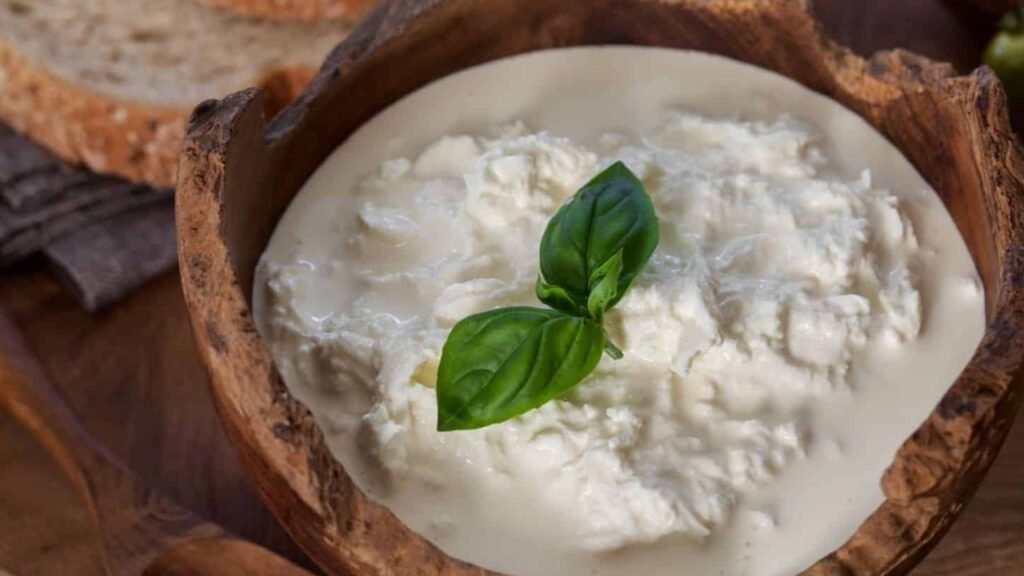
Stracciatella cheese has become a favorite among food enthusiasts who appreciate rich flavors and creamy textures. Known for its delicate strands of mozzarella mixed with fresh cream, this Italian cheese offers a unique eating experience that stands out from many traditional cheese varieties.
Its popularity has grown well beyond Italy, appearing in restaurants, gourmet dishes, and home kitchens around the world. Whether served on fresh bread, paired with tomatoes, or added to pasta and pizza, it brings a luxurious touch to simple ingredients.
Beyond its delicious taste, stracciatella cheese also offers nutritional benefits and remarkable versatility in the kitchen. Understanding what makes this cheese special can help anyone discover new and enjoyable ways to include it in everyday meals.
What Is Stracciatella Cheese?
Stracciatella cheese is a fresh Italian dairy delicacy known for its ultra-creamy texture and delicate, shredded strands of mozzarella soaked in fresh cream. When people search for what stracciatella cheese is, they are often surprised to learn that it is not a standalone hard cheese but a soft, indulgent filling commonly found inside burrata. Originating from Italy’s Puglia region, this cheese reflects traditional craftsmanship and simplicity.
Its texture is what makes it special—soft, silky, and almost melt-in-your-mouth. Unlike aged cheeses, stracciatella is meant to be eaten fresh, often within days of production. Its mild yet rich flavor makes it incredibly versatile in both simple and gourmet dishes. Whether spread on warm bread or added to salads, it delivers a luxurious creaminess that food lovers instantly recognize and enjoy.
History and Origin of Stracciatella Cheese
The history of stracciatella cheese traces back to Southern Italy, where farmers sought creative ways to use leftover mozzarella scraps. Instead of wasting them, they shredded the cheese and mixed it with fresh cream, creating what we now know as stracciatella cheese. This humble beginning reflects Italy’s long tradition of resourceful and flavorful cooking.
Over time, this mixture became the heart of burrata cheese, encased in a mozzarella shell. As Italian cuisine gained global popularity, stracciatella cheese moved beyond local farms and entered gourmet kitchens worldwide. Today, it is celebrated not just as a byproduct but as a premium ingredient in its own right, appreciated for its creamy texture and artisanal heritage.
How Stracciatella Cheese Is Made
Understanding how stracciatella cheese is made helps appreciate its delicate nature. The process begins with fresh mozzarella curds, which are stretched and shredded into fine strands. These strands are then gently mixed with rich, fresh cream, creating a soft, spoonable texture.
The quality of milk plays a major role—cow’s milk produces a milder version, while buffalo milk results in a richer, more intense flavor. Because it is a fresh cheese, timing is everything. The mixture must be prepared and stored under strict cold conditions to preserve its freshness and taste.
Unlike aged cheeses, there is no long fermentation or pressing process. Everything is done gently to maintain its soft, luxurious consistency.
Stracciatella Cheese Taste and Texture Profile
When describing the taste of stracciatella cheese, words like creamy, buttery, and delicate come to mind. It has a mild flavor that is rich without being overpowering, making it ideal for pairing with both sweet and savory ingredients.
The texture is its signature feature—soft cheese strands suspended in fresh cream create a silky, almost cloud-like mouthfeel. It does not crumble or slice; instead, it spreads and melts naturally on warm food.
Many compare it to mozzarella, but stracciatella is far softer and richer due to the added cream. This balance of light flavor and indulgent texture is what makes it a favorite among chefs and home cooks alike.
Stracciatella Cheese vs Burrata: Key Differences
Stracciatella cheese is often confused with burrata, but they are not the same. Burrata is a cheese pouch made from mozzarella, while stracciatella is the creamy filling inside it. When burrata is cut open, the soft center spills out—that is stracciatella.
The main difference lies in structure and usage. Burrata is served as a whole cheese ball, while stracciatella is enjoyed directly as a spreadable or spoonable filling. In terms of texture, burrata has a firm outer shell, whereas stracciatella is entirely soft and creamy.
Quick Comparison:
- Burrata: Outer shell + creamy center
- Stracciatella: Pure creamy filling
- Burrata: Plated presentation
- Stracciatella: Spoonable ingredient
A chef once described it simply: “Burrata is the experience, stracciatella is the emotion inside it.”
Nutritional Value and Health Benefits
Stracciatella cheese is rich in calories, fats, and protein, making it a high-energy food. A small serving provides a good amount of calcium, which supports bone health, along with essential nutrients found in dairy products.
Because it is made with fresh cream, it is more indulgent than standard mozzarella. However, it can still be enjoyed in moderation as part of a balanced diet. The protein content helps with muscle repair, while fats contribute to satiety and flavor satisfaction.
Health-conscious eaters often enjoy it as a topping rather than a main dish. When paired with vegetables or whole grains, it becomes part of a more balanced and nutritious meal.
Best Ways to Eat Stracciatella Cheese
One of the best things about stracciatella cheese is its versatility. It can transform even the simplest dishes into gourmet experiences. Spread it over warm, toasted bread with olive oil and sea salt, and you instantly have a rich appetizer.
It also works beautifully on pizza—added after baking, so the heat gently softens it. In pasta dishes, it melts into sauces, adding a creamy finish without overpowering other ingredients.
A food blogger once shared a story of serving stracciatella at a dinner party: guests assumed it was a complicated gourmet recipe, when in reality it was just fresh cheese, tomatoes, and basil. That’s the magic of stracciatella—it elevates simplicity into elegance.
Best Food Pairings for Stracciatella Cheese
Stracciatella cheese pairs exceptionally well with fresh, simple ingredients that enhance its creaminess. Tomatoes and basil are classic companions, creating a balance of acidity and freshness. Drizzling extra virgin olive oil over it enhances its richness.
It also pairs well with cured meats like prosciutto, where salty flavors contrast beautifully with the creamy texture. Crusty artisan bread provides a perfect base for serving.
For drinks, crisp white wines such as Pinot Grigio or Sauvignon Blanc complement its mild flavor. Even roasted vegetables like zucchini or eggplant work wonderfully when topped with stracciatella.
How to Store Stracciatella Cheese Properly
Since stracciatella is a fresh cheese, proper storage is essential. It should always be kept in the refrigerator at a consistent low temperature, ideally in its original liquid or airtight container.
Once opened, it is best consumed within 1–2 days for optimal freshness. Exposure to air can quickly affect its texture and flavor. Signs of spoilage include sour smell, separation of cream, or discoloration.
Freezing is not recommended, as it alters the delicate texture and causes the cream to separate upon thawing. For best results, always buy in small quantities and enjoy them fresh.
FAQs
Is stracciatella cheese the same as mozzarella?
No, stracciatella is softer and creamier, made from shredded mozzarella mixed with cream.
Can you cook with stracciatella cheese?
It is best used as a finishing ingredient rather than cooked directly.
Is stracciatella cheese healthy?
It is nutritious but high in fat, so moderation is recommended.
What is the best substitute for stracciatella cheese?
Burrata filling or a mix of fresh mozzarella and cream works well.
Where can you buy stracciatella cheese?
It is available in gourmet stores, Italian delis, and some supermarkets.
