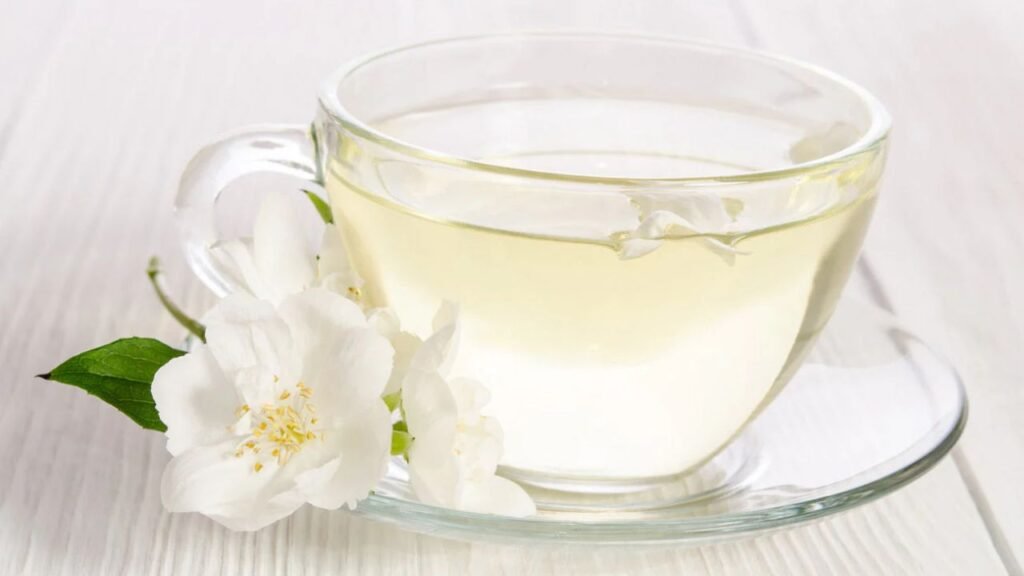
White tea has been gaining interest among tea fans and health-conscious people alike. Known for its delicate taste and minimal processing, white tea gives a refreshing alternative to more potent tea varieties. As more people discover herbal beverages that integrate taste with well-being benefits, their recognition continues to grow in the arena.
Unlike heavily processed teas, white tea is crafted from younger tea leaves and buds that go through little or no processing. This simple manufacturing method enables hold its diffused flavor and clearly take on compounds. Many tea drinkers appreciate its light, clean taste, making it an attractive preference for both beginners and experienced tea fans.
The developing interest in white tea is not pretty much taste. Consumers are an increasing number of interested in drinks that suit into a balanced lifestyle, and white tea has earned recognition for supplying a unique mixture of amusement and fitness benefits. Understanding what makes this tea special allows explain why it is becoming each person’s favored brew.
The History and Origins of White Tea
The history of white tea can be traced back to China’s Fujian Province, a region regarded for producing a number of the sector’s best teas. Historical records suggest that white tea has been preferred for centuries due to its delicate flavor and careful harvesting process. Initially, it became considered a luxurious beverage loved by royalty and rich families.
Over time, the popularity of white tea spread beyond China. Improvements in transportation and growing interest in premium teas added it to Europe, North America, and different parts of the world. Today, tea drinkers anywhere are trying to find true Chinese white tea for its particular traits. As consumers turn out to be more inquisitive about natural foods and drinks, white tea’s traditional manufacturing strategies and wealthy background make it even more attractive in contemporary markets.
How White Tea Is Made: From Leaf to Cup
Understanding how white tea is made allows explain why it differs from other tea varieties. The technique starts with carefully selecting younger tea buds and newly opened leaves throughout specific harvest durations. These tender leaves are frequently picked by hand to maintain satisfactory freshness.
After harvesting, the leaves undergo a natural withering method. They are spread out and allowed to lose moisture progressively. Unlike green tea or black tea, white tea undergoes very little oxidation and no sizeable rolling or shaping. This mild process preserves many of the leaf’s herbal traits.
The result is a tea that keeps its sensitive taste and light appearance. Because so little intervention takes place throughout manufacturing, each step is a topic. Small modifications in weather, harvest timing, or drying conditions can notably affect the final flavor located within the cup.
Popular Types of White Tea You Should Know
Several varieties of white tea are available, each providing its own personal flavor profile. Among the most famous is Silver Needle, often considered the highest-grade white tea. It is composed normally of young buds blanketed in high-quality white hairs and produces a smooth, slightly sweet brew.
White Peony, also referred to as Bai Mudan, includes each bud and leaf. It offers a slightly fuller taste at the same time as retaining the mild traits white tea is known for. Gong Mei and Shou Mei are generally crafted from extra-mature leaves and tend to have stronger, richer flavors.
For novices, White Peony often presents a brilliant creation as it balances complexity with affordability. Exploring extraordinary forms of white tea permits tea lovers to discover the subtle differences that make every range specific and fun.
What Does White Tea Taste Like?
One of the most common questions asked by new tea drinkers is, “What does white tea taste like?” The solution relies upon the range, harvest season, and brewing approach; most white teas share sure characteristics. They are generally light, smooth, and certainly sweet.
Many humans notice floral notes, hints of honey, and delicate fruity undertones. Unlike more potent teas, white tea hardly ever leaves a bitter or overpowering aftertaste when brewed correctly. Instead, it offers a smooth and fresh experience that can be loved during the day.
A simple instance comes from a tea fanatic who switched from sugary beverages to white tea. Initially waiting for a bland drink, she was amazed by the aid of the subtle layers of taste and gentle sweetness. Within weeks, white tea became part of her daily routine, proving that on occasion, the most delicate flavors leave the strongest impressions.
White Tea Benefits That Make It So Popular
The growing interest in white tea’s advantages has played a primary role in its rising popularity. White tea certainly contains antioxidants, together with polyphenols and catechins, which are often related to supporting usual well-being. Because the leaves go through minimal processing, lots of those compounds stay intact.
Many human beings select white tea as a part of a balanced way of life. It offers a refreshing alternative to sugary drinks at the same time as imparting a mild caffeine boost. Some tea drinkers additionally admire its calming ritual, which may assist create moments of rest during busy days.
While white tea is no longer considered a miracle solution, it can be a treasured addition to wholesome daily habits. Combined with proper nutrients, exercise, and good enough rest, it contributes to a lifestyle centered on balance and long-term well-being.
White Tea vs Green Tea: What’s the Difference?
White tea vs green tea is a contrast many tea enthusiasts discover whilst choosing a favourite brew. Although both originate from the same plant, their processing strategies create important variations. Green tea is heated soon after harvesting to prevent oxidation, even as white tea is truly withered and dried.
Flavor is another key distinction. Green tea frequently has grassy, vegetal notes and a more pronounced flavor. White tea tends to be lighter, sweeter, and more delicate. Some people decide on inexperienced tea’s ambitious individual, at the same time as others enjoy the subtle elegance of white tea.
Caffeine levels can vary depending on the specific tea, but white tea is typically perceived as gentler. Ultimately, the choice comes all the way down to personal preference. Many tea fanatics experience both and switch between them, relying on the occasion.
How to Brew White Tea for the Best Flavor
Learning how to brew white tea properly can dramatically improve the drinking experience. Because white tea leaves are sensitive, boiling water ought to typically be prevented. Water temperatures between 75°C and eighty-five °C are frequently encouraged to maintain the tea’sdelicated flavors.
Steeping time typically ranges from to 5 minutes, depending on the range and personal preference. Longer steeping can produce a fuller taste, even as shorter brewing highlights the tea’s lighter characteristics.
One common mistake is using water that is too warm. This can overpower the sensitive notes that make white tea special. Another mistake is dashing the procedure. Taking a few more moments to brew cautiously frequently rewards tea drinkers with a smoother and extra fun cup.
How to Choose and Store High-Quality White Tea
Choosing superb white tea starts offevolved with inspecting the leaves. Premium white tea generally includes intact buds and leaves with a sparkling look. A first-rate aroma and consistent leaves are also good signs of workmanship.
When shopping for white tea, authentic suppliers are often the desired choice. Reading product descriptions and information, the starting place can assist shoppers in making knowledgeable choices. Authentic white tea from famous developing areas regularly supplies advanced taste and freshness.
Proper storage is similarly vital. White tea has to be stored in an airtight box away from moisture, warmth, and direct sunlight. Exposure to these elements can step by step reduce its fine. With accurate storage, tea fans can keep each taste and aroma for extended periods.
Frequently Asked Questions
Does White Tea Contain Caffeine?
Yes, white tea contains caffeine; the quantity varies depending on the range and brewing technique.
Can White Tea Be Drunk Every Day?
Many people enjoy white tea each day as a part of a balanced lifestyle and wholesome routine.
Is White Tea Healthier Than Green Tea?
Both teas provide useful compounds. The better option relies upon individual preferences and wellness goals.
Can White Tea Help With Weight Management?
White tea can be a more fit alternative to sugary drinks, which may help broader weight-control efforts.
Can White Tea Be Served Cold?
Absolutely. White tea makes a top-notch iced beverage and retains its delicate taste while chilled.
Conclusion
White tea has earned its place among the world’s most favored beverages thanks to its delicate taste, rich history, and minimal processing. From its origins in China to its growing global recognition, it continues to draw tea fans seeking out a gentle yet pleasant brew. Whether a person is exploring tea for the first time or increasing a current collection, white tea offers a unique experience worth coming across. With various sorts, easy brewing techniques, and a clearly fresh taste, it is simple to recognize why white tea is becoming everyone’s favorite brew.
