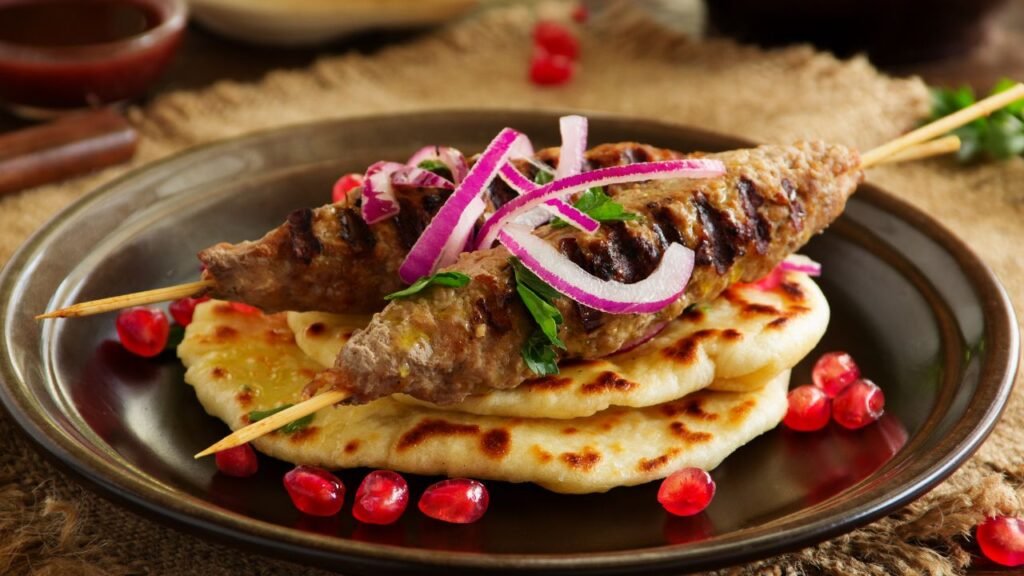
A kebab is one of those food terms that often sparks curiosity, especially among people who come across it on menus or online. While it may sound familiar, many still wonder what exactly it refers to, how it is made, and why it has become such a talked-about dish in different food circles. This guide takes a closer look at everything behind the name simply and clearly.
At its core, an en kebab is connected to the broader world of kebab cuisine, known for its rich flavors, grilled meats, and cultural variety. Depending on the context, it can be linked to different styles of preparation and regional influences. That is why understanding it requires more than just a quick definition—it needs a bit of background and explanation.
This article breaks down an en kebab in an easy-to-understand way, covering its meaning, possible origins, taste profile, and what sets it apart. Whether someone is discovering it for the first time or simply wants clearer information, this guide is designed to give a complete and practical overview without confusion.
What Is En Kebab? Meaning and Overview
A kebab is a term that often appears in online searches and food listings, but its meaning is not always clear at first glance. In most cases, people searching for en kebab meaning are trying to understand whether it refers to a specific dish, a brand name, or simply a variation of the word “kebab.” In reality, the term is commonly used in a broader, less standardized way, often connected to general kebab offerings rather than one fixed recipe.
In everyday food culture, kebab itself refers to grilled or roasted meat dishes popular across the Middle East, South Asia, and Europe. A kebab is typically used in menus or informal references where naming is inconsistent or localized. This is why confusion happens—different places may use slightly different terms for similar food items.
So, when someone asks “what is en kebab,” the simplest answer is that it is closely related to kebab cuisine rather than a completely separate dish.
Origin of En Kebab and Its Culinary Background
The en kebab’s origin is not tied to a single country or documented recipe, which makes it more of a linguistic variation than a traditional dish. The word “kebab” itself has deep roots in Middle Eastern and Ottoman cooking traditions, where meat was grilled over open flames long before modern restaurant culture developed.
As kebab cuisine spread across Turkey, the Middle East, and later Europe, many regional adaptations emerged. In countries like the UK and other parts of Europe, kebab became a fast-food staple, often adapted to local tastes. It is in this global expansion that variations like “en kebab” may appear, often as menu labeling, translation differences, or informal naming.
Rather than pointing to a historical dish, en kebab reflects how food terminology evolves when cultures blend. It shows how a single culinary concept can take on multiple names depending on language, region, and marketing style.
Is En Kebab a Specific Dish or a Generic Term?
One of the most common questions is whether a kebab is a dish or just a general term. In most cases, it is not a distinct recipe like doner or seekh kebab. Instead, it is better understood as a loosely used label that may refer to standard kebab offerings.
To understand it better, it helps to compare it with popular kebab types. For example, doner kebab is made from stacked meat cooked on a vertical rotisserie, while shawarma uses similar techniques but different spices and regional flavor profiles. Seekh kebab, on the other hand, is minced meat shaped on skewers and grilled.
An en kebab does not follow a strict preparation identity like these. It is often used interchangeably or incorrectly in menus or online listings. This lack of standard definition is exactly why it appears in search queries so often—it creates curiosity and confusion at the same time.
Ingredients Commonly Associated with En Kebab
Since a kebab is closely linked to general kebab cuisine, its kebab ingredients usually depend on the restaurant or preparation style. The most common base is meat, which can include chicken, beef, lamb, or a combination, depending on regional preferences and pricing.
The meat is typically marinated in a mix of spices to enhance flavor and tenderness. Common ingredients in kebab marinades include garlic, paprika, cumin, black pepper, and yogurt in some variations. These spices help create the signature smoky and savory taste associated with kebabs.
In addition to meat, kebabs are often served with bread such as pita or naan, along with fresh vegetables like lettuce, onions, and tomatoes. Sauces also play a big role, especially garlic sauce, chili sauce, or yogurt-based dressings.
- Garlic sauce
- Chili sauce
- Fresh salad vegetables
- Flatbread or pita wraps
Together, these elements create the familiar kebab experience that people often associate with the term en kebab.
How En Kebab Is Prepared (Step-by-Step Overview)
The kebab cooking process behind en kebab generally follows traditional kebab preparation methods. It starts with selecting the meat, which is then cut or minced depending on the style being prepared. Quality and freshness are important because they directly affect taste and texture.
Next comes the marination stage, where spices, oil, and sometimes yogurt are mixed with the meat. This step can last from a few hours to overnight, allowing flavors to deeply absorb. Once ready, the meat is cooked using grilling, roasting, or rotisserie methods, depending on the kitchen setup.
After cooking, the kebab is assembled into its final serving form. It may be placed in a wrap, served on a plate with rice, or combined with salad and sauces. In fast-food environments, speed is important, while traditional settings focus more on presentation and flavor balance.
- Meat selection
- Marination
- Cooking (grill or rotisserie)
- Serving and assembly
Taste Profile and Texture of En Kebab
When it comes to kebab taste, en kebab typically reflects the familiar profile of grilled meat dishes. The flavor is often smoky, slightly spicy, and rich due to the combination of marinades and cooking methods. Depending on the meat used, the taste can range from mild chicken flavors to stronger lamb-based profiles.
Texture plays an equally important role. A properly cooked kebab should be juicy on the inside while slightly crisp or charred on the outside. This contrast is what makes kebabs so satisfying to many food lovers. However, the exact taste experience can vary widely because a kebab is not a standardized dish.
In some cases, people describe it as a “fast-food style kebab,” meaning it is designed for quick serving rather than gourmet presentation. This makes it more accessible but also more inconsistent in flavor across different places.
Nutritional Value and Health Considerations
From a nutritional perspective, whether kebab is healthy depends largely on preparation style and ingredients. Kebab can be a good source of protein because it is primarily made from meat. Protein helps with muscle repair and keeps you full for longer periods, making it a satisfying meal option.
However, the health value can change based on cooking methods and added ingredients. Grilled kebabs are generally healthier compared to fried versions or those with heavy sauces. High fat content can also increase calorie levels, especially when fatty cuts of meat are used.
- High protein content
- Moderate to high fat (depending on meat cut)
- Healthier when grilled instead of fried
- Fresh vegetables improve nutritional balance
So, a kebab can fit into a balanced diet if consumed mindfully, but portion control and preparation style matter a lot.
Popular Variations Similar to En Kebab
To understand an en kebab better, it helps to compare it with other kebab types that are widely known. Doner kebab is one of the most popular variations, especially in Europe, where it is often served in wraps or sandwiches. Shawarma is another close relative, known for its Middle Eastern spice profile and slow-roasted meat.
Seekh kebab offers a different experience, using minced meat shaped onto skewers and grilled over fire. Mixed grill platters are also common in restaurants, combining multiple types of kebabs in one meal for variety.
Each of these variations highlights how diverse kebab cuisine is across regions. En kebab, by contrast, does not represent a fixed category but instead blends into these existing styles depending on context.
Why En Kebab Is Popular in Modern Food Culture
The popularity of kebabs in general has helped terms like en kebab appear more frequently in searches and menus. In today’s fast-paced world, kebabs are a convenient fast food option that is both filling and affordable. This makes them especially popular among students, workers, and street food lovers.
Another reason for their popularity is cultural fusion. As people move across countries, food adapts and evolves. Kebab shops in Europe, especially in the UK, often adjust flavors and naming styles to suit local audiences. This can lead to variations like en kebab appearing in listings.
In simple terms, en kebab reflects how global food culture blends tradition with modern convenience, creating flexible and widely enjoyed meals.
Frequently Asked Questions
What does en kebab mean?
It generally refers to kebab-related food and is not a fixed or officially recognized dish name.
Is an en kebab a real dish?
Not exactly. It is more of a variation or informal term used for kebab-style food.
What meat is used in a kebab?
Common meats include chicken, beef, and lamb, depending on the recipe.
Is kebab healthy to eat?
It can be healthy if grilled and eaten with balanced ingredients like vegetables.
Why is kebab so popular?
It is tasty, filling, affordable, and widely available as fast food across many countries.
