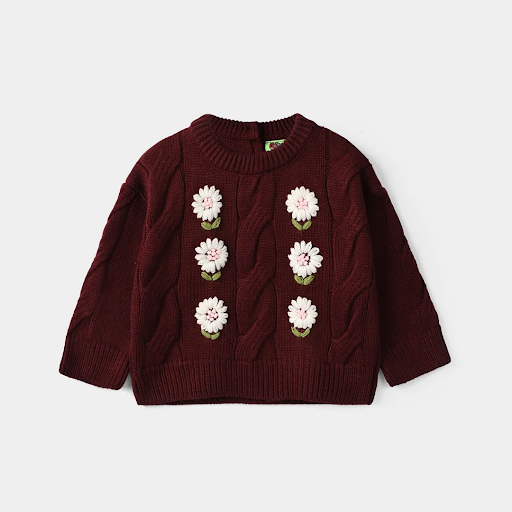
Choosing the right winter clothing is important for keeping girls warm, comfortable, and protected during cold weather. Sweaters are among the most useful winter wardrobe essentials, but the fabric plays a major role in warmth, softness, durability, and comfort. Different materials offer different benefits, making it important to understand which options work best for different temperatures and daily activities. From natural wool to cotton blends and fleece, each fabric has unique qualities. Selecting the right sweater for girls depends on factors such as skin sensitivity, weather conditions, ease of care, and personal comfort.
Why Does Sweater Fabric Matter During Winter?
The fabric of a sweater directly affects how well it retains body heat and protects against cold temperatures. Some materials provide excellent insulation, while others offer better breathability and flexibility. For children, fabric selection is especially important because comfortable clothing allows easier movement during school, outdoor activities, and family outings. A suitable winter sweater should provide warmth without causing excessive sweating or skin irritation. Soft textures, good stitching, and breathable materials also contribute to everyday comfort. Understanding fabric characteristics helps parents select winter clothing that offers a practical balance of warmth, durability, and easy maintenance.
1. Wool: A Classic Choice for Winter Warmth
Wool is one of the most popular natural fabrics for winter clothing because of its excellent insulating properties. Its natural fibers trap warm air, helping maintain body temperature even during particularly cold weather. Wool sweaters are suitable for outdoor activities, winter travel, and colder days. Merino wool is a softer variety that generally feels more comfortable against sensitive skin than traditional coarse wool. However, some wool garments may cause itching, so checking the fabric texture is important before purchasing. Wool also requires proper washing and drying to maintain its shape and softness over time.
2. Cotton: A Soft and Breathable Option
Cotton is a comfortable fabric commonly used in everyday winter clothing. Cotton sweaters feel soft against the skin and allow better airflow than many heavier materials. This makes cotton a suitable choice for girls who experience discomfort with rough or irritating fabrics. Cotton blends are also useful for indoor activities, mild winter weather, and layering under jackets. However, pure cotton does not retain heat as effectively as wool and can take longer to dry when wet. For colder conditions, a thicker cotton sweater or a cotton blend with insulating fibers can provide additional comfort.
3. Cashmere: Lightweight Luxury and Softness
Cashmere is a premium natural fiber known for its exceptional softness and lightweight warmth. It comes from the fine undercoat of cashmere goats and provides effective insulation without feeling heavy. Cashmere sweaters are particularly suitable for children who prefer soft clothing with a smooth texture. The fabric feels gentle against the skin and offers a comfortable option for special occasions and everyday winter outfits. However, cashmere generally costs more than regular wool and requires careful handling. Gentle washing, appropriate storage, and protection from rough surfaces help maintain its quality.
4. Fleece: Practical Warmth for Everyday Activities
Fleece is a popular synthetic fabric that provides warmth, softness, and lightweight comfort. It is generally made from polyester and works well for casual winter clothing. Fleece sweaters are suitable for school activities, outdoor play, and everyday wear because the material dries quickly and is relatively easy to maintain. The soft surface also makes fleece comfortable for extended use. However, fleece quality can vary, and some products may create static or feel less breathable during physical activities. Choosing a lightweight, well-made fleece garment can provide practical warmth without unnecessary bulk.
5. Acrylic: Affordable and Easy to Maintain
Acrylic is a synthetic fiber frequently used in winter sweaters because it offers a wool-like appearance at a more affordable price. It is lightweight, retains its shape reasonably well, and comes in many colors, patterns, and designs. Acrylic sweaters are also generally easier to wash than delicate natural wool garments. However, acrylic may not provide the same level of insulation and breathability as high-quality wool. Some varieties can also develop small fabric pills after repeated washing and wearing. Checking the fabric quality and construction helps identify a comfortable acrylic sweater for regular winter use.
6. Blended Fabrics: A Balance of Comfort and Durability
Blended fabrics combine two or more fibers to improve the performance of winter clothing. Common combinations include cotton and polyester, wool and acrylic, and cotton with synthetic materials. These blends can offer a useful balance of softness, warmth, flexibility, and durability. For example, wool-acrylic blends may provide warmth while reducing the cost of a pure wool garment. Cotton-polyester blends can improve drying time and help clothing maintain its shape. Fabric blends are practical choices for everyday winter wardrobes because different materials can complement each other’s strengths.
Which Sweater Fabric Is Best for Different Winter Conditions?
The best material depends on the temperature, activity level, and individual comfort requirements. A lightweight cotton or cotton-blend sweater may work well during mild winter days, particularly indoors. Wool and merino wool are better suited to colder temperatures because of their natural insulation. Fleece offers practical warmth for outdoor activities, while cashmere provides lightweight comfort for children who prefer exceptionally soft clothing. Acrylic and blended fabrics are useful alternatives for regular wear and easier maintenance. Selecting a fabric according to weather conditions helps prevent discomfort caused by clothing that is either too light or unnecessarily heavy.
Important Factors to Consider Before Buying a Winter Sweater
Fabric type is only one part of choosing suitable winter clothing. Several additional details can affect the comfort, appearance, and lifespan of a sweater for girls.
- Skin Sensitivity: Soft materials such as cotton and fine merino wool can be suitable for children who dislike rough textures.
- Warmth: Thicker wool and fleece generally provide better insulation during colder weather.
- Breathability: Cotton and suitable fabric blends allow airflow and can help reduce overheating.
- Size and Fit: A comfortable fit allows easy movement and leaves enough room for suitable inner layers.
- Durability: Strong stitching, quality fibers, and well-finished edges help sweaters withstand frequent use.
- Maintenance: Machine-washable fabrics can make regular clothing care easier for busy households.
- Design: Colors, patterns, necklines, and sleeve styles should match the intended use and personal preferences.
How to Care for Girls’ Winter Sweaters
Proper care helps maintain the softness, shape, and appearance of winter clothing. Different fabrics require different washing methods, so checking the garment’s care label is always recommended. Wool and cashmere often need gentle washing with suitable detergents, while many cotton and polyester garments can tolerate regular washing cycles. Sweaters should be dried according to fabric instructions because excessive heat can cause shrinkage or damage. Folding knitwear instead of hanging it can also help prevent stretching around the shoulders. Clean, completely dry storage protects winter garments from unpleasant odors and moisture during seasonal storage.
Popular Winter Sweater Styles for Girls
Winter sweaters are available in several styles, making it easier to find suitable options for different occasions and weather conditions. Crew-neck sweaters offer a simple appearance and work well with jeans, trousers, and skirts. Cardigans provide flexible layering because the front
