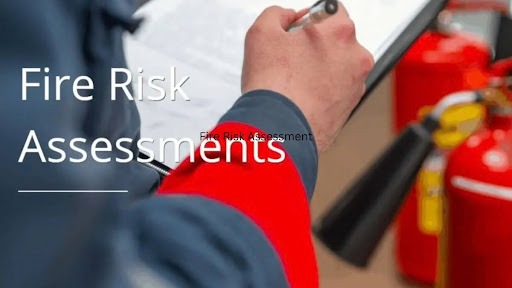
Fire risk is of much concern in both residential and commercial properties. Unless the right assessments are conducted, there is a risk of exposing your home or business to fire hazards and the devastating consequences that follow. Starting with faulty wiring and poor fire exits, various risks must be detected and addressed properly to avoid disaster. The fact that property owners do not pay much attention to regular assessments exposes them to the risk of fire-related casualties and legal consequences.
The answer to this question is in a comprehensive fire risk assessment. The process here will entail recognising possible hazards, assessing the level of risk, and implementing measures to ensure the risks are curtailed. Fire risk assessment will enable property owners to meet the required fire safety standards and regulations to avoid accidents. It keeps employees and the public safe and may greatly reduce financial costs in the event of fires and emergencies.
You can read more about how you can protect your property by using an effective fire risk assessment. This guide will help us take you through the steps necessary to make sure that your home or business is safe, as well as in line with fire safety rules. This knowledge will assist you in making the best decisions to save your belongings and human lives in the face of disastrous fire outcomes.
What is a Fire Risk Assessment?
Fire risk assessment is a process of systematically walking around the property to identify potential fire hazards, assess their severity, and determine the measures to mitigate them. It is one of the essential steps in maintaining the safety of all occupants of a building or property, whether employees, residents, or visitors. It helps property owners identify their weak areas and provides recommendations on how to improve fire safety. To avoid hazardous situations, you can implement precautionary steps by identifying warning signs, such as faulty electrical wiring, inadequate fire exits, and poor storage of flammable materials.
The Legal Requirement for Fire Risk Assessment
Fire risk assessments are not only recommended in most nations but also a legal requirement. The Fire Safety Order (in the UK) or the regulations set by OSHA in the United States, depending on the location that you live in, require that some types of buildings be reviewed regularly to identify the risk of fire that could occur. Noncompliance with these laws may result in substantial fines, penalties, and even criminal charges. Knowledge of the area’s specific requirements is important because it can help ensure that business and residential buildings meet the required safety standards and reduce fire risk.
Steps to Conduct a Fire Risk Assessment
A fire risk assessment is not a universal procedure. It comprises several major steps that can help you recognise hazards and handle them effectively. The first thing you should do is identify the potential fire hazards in your building. This involves examining items such as out-of-date electrical systems, fire exits blocked by stalls, improperly stored chemicals, among others. Second, calculate the likelihood and the magnitude of every hazard. When the risks have been determined, the next thing that comes to mind is control, which may be by installing fire extinguishers, redeveloping electrical wiring, and ensuring there are clear emergency exits. Last but not least, record what you have learned, and conduct frequent checks so that in the long-run your property will be safe.
Common Fire Risks and How to Address Them
Different environments pose different fire risks, though some are more prevalent than others. The most frequent fire hazards in residential premises are faulty wiring, open flames in food preparation devices, and space heaters. In the case of commercial properties, fire hazards are usually instigated by inflammable materials, inadequate storage habits, and absence of exit paths. Industrial buildings are also prone to accidents as a result of big equipment, chemicals, and flammable substances. All kinds of risks ought to be addressed through safety precautions such as fire alarms, sprinkler systems, and relevant training for building occupants on fire safety measures.
Fire Risk Assessment Tools and Resources
There are a few tools and resources available to you to undertake a thorough fire risk assessment. Online, the fire risk assessment software would assist you in assessing risks, tracking changes over time, and staying in accordance with legal requirements. The process is also made easier with checklists and templates that help you avoid missing critical areas. Numerous fire safety consultancies provide professional advice to support a comprehensive risk evaluation. If you are not quite accustomed to the process or prefer to be evaluated in more detail, it is a good decision to find a certified professional.
Fire Risk Assessment Checklist for Different Buildings
The following is a basic checklist you can employ to undertake fire risk assessment in various settings:
- Office Buildings: Test fire alarms, clear and make fire exits accessible, check emergency lighting, and inspect electrical wiring.
- Factories and Warehouses: Check on the storage of hazardous goods, fire extinguishers, and sprinklers.
- Schools and Hospitals: Evaluate evacuation systems, check fire alarms, and inspect all fire suppression systems.
With a building-specific checklist, you can focus on the risks encountered in each setting.
Top Benefits of Fire Risk Assessment for Your Property
A fire risk assessment can do more than what is required by law. Routine inspections reduce the risk of fire, safeguarding lives and property. They can also detect potential expensive damage in time, hence preventive measures. Proving that you have conducted a fire risk assessment would save you money with insurance premiums and add to the value of your property. Simply put, it is a preventive measure that protects the structure and its occupants.
Common Mistakes to Avoid in Fire Risk Assessments
The majority of property owners commit errors in carrying out the fire risk assessment, making the assessment incomplete. Another mistake is neglecting less visible dangers, e.g., falling power wiring or blocked exit ways. The other error is not to conduct the review and subsequent revision of the assessment. You will have to re-evaluate the risks whenever making important changes to your premises – renovation, new equipment, etc. Lastly, it is important to note that failure to include all occupants in fire safety training may result in unreactive actions during emergencies.
How Often Should Fire Risk Assessments Be Done?
The rate of assessment of fire risks varies based on several factors, including changes on the property, local legislation, and the nature of the building. As a rule, they should be evaluated every year or whenever there are notable changes, such as renovations or modifications to fire safety measures. In addition to routine inspections, property owners also ought to assess risks following any fire or fire-related incidents or near-misses. It is important to keep your fire risk assessment up to date to maintain safety.
Fire Risk Assessment Services: Should You Hire a Professional?
Although one can complete the fire risk assessment on their own, hiring a professional fire safety consultant may be an effective way to rest and seek expert advice. The certified professionals are trained to identify potential risks you might miss and provide detailed fire-prevention solutions. If you are not certain about what is needed in your neighbourhood or do not have the knowledge to determine the condition of your property, employing the services of a professional will be a good safety investment.
Conclusion
To sum up, a fire risk assessment is a necessary step to securing and adhering to your premises. Frequent tests help your loved ones, employees, and assets be secured, and this assists in preventing catastrophic fires. Knowing the required procedures and being willing to adhere to the safety measures will ensure your property is not at risk from fire threats. Be on the offensive and ensure that fire safety is given a top priority to avoid future hazards.
