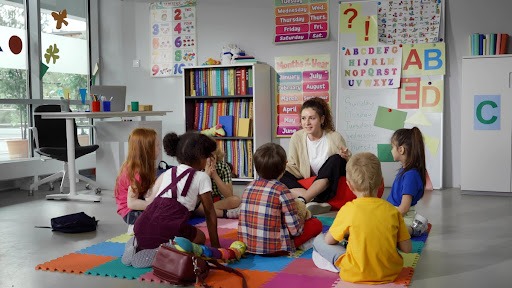
In their first few years, children develop and learn fast. At this age, kids begin to walk, communicate, think, and interact. These changes result from natural growth, environmental experiences, and adult assistance. Because this era sets the stage for lifetime learning and conduct, children’ environments are crucial.
Childcare shapes these early experiences. Childcare centers, early education programs, and professional homes offer organised learning and growth. These settings encourage children to be interested, create friends, and grow physically and cognitively.
A well-organised and helpful child care centre helps kids accomplish developmental objectives quickly and healthily. These milestones help children learn to communicate, become self-sufficient, and gain confidence. Parents and carers may better understand how early learning settings affect a child’s future by understanding childcare and child development.
Understanding Child Development Milestones
Child development milestones are abilities and habits children normally develop as they become older. These milestones assist in measuring a child’s development in movement, thinking, speech, and emotions.
Every milestone is a learning opportunity. Just a few months old, newborns may understand noises and respond to facial emotions. As they become older, children explore, put words together, and interact more complexly. These little changes indicate a child’s healthy brain and bodily development.
Childcare professionals are trained to recognise and assist with these milestones. Carers can assess if a child is making usual progress or needs additional support by watching and talking to them. Childcare provides several learning opportunities to help kids progress through each stage.
The Role of Structured Learning Environments
Kids learn and grow in a well-organised play and study space. Structured settings provide children predictable behaviours and schedules, making them feel comfortable. Knowing what to anticipate each day encourages kids to explore new things and participate.
These settings promote learning. Instructional materials, innovative tools, and interactive toys motivate children to learn in most classrooms and play places. Kids learn by playing, exploring, trying new things, and undertaking learning activities.
Structured routines teach children responsibility and time management. Children learn daily rhythms through group learning, creative play, lunch breaks, and rest periods. Children are prepared for organised environments like school by this exposure.
Supporting Social Skills and Peer Interaction
Social development is a key benefit of daycare. Children learn social skills that help them create connections and comprehend social dynamics via regular interaction. These interactions educate kids to share, collaborate, take turns, and settle disagreements.
In daycare, children interact with peers with varied personalities, communication styles, and behaviours. They adapt and communicate better due to variety. Carers teach children proper behaviour and encourage healthy communication.
Young children need to learn group dynamics. They learn teamwork and collaboration for school. Through group play, talks, and shared activities, daycare environments help children build social confidence.
Encouraging Language and Communication Development
Another critical milestone is language development, which childcare substantially supports. Talking, watching, and repeating help kids learn to talk. Childcare workers help children talk, listen, and learn new words.
Reading, singing, and chatting assist kids acquire language and communication. When caretakers answer questions and promote conversation, children feel more comfortable sharing their experiences and ideas.
Early literacy is taught in childcare programs alongside spoken language. Kids can learn to identify letters, understand story elements, and listen better. These experiences prepare them for reading and writing throughout school.
Promoting Emotional Growth and Self-Confidence
Growing up involves emotional development. Kids must identify their feelings, express them appropriately, and believe in themselves. Children develop these emotional skills in caring childcare environments.
Carers help children understand their feelings by encouraging them to talk about them and using positive responses. Carers teach children to handle anger, excitement, and disappointment positively.
Self-confidence must also be built via positive reinforcement and encouragement. Children feel better about themselves when praised for their work and skill. This confidence encourages people to try new things and overcome challenges, helping them grow.
Developing Cognitive and Problem-Solving Skills
Cognitive development teaches children to think, comprehend, and solve problems. By encouraging curiosity and exploration, childcare activities boost cognitive development.
Puzzles, sorting games, and creative building projects teach kids reasoning. Students consider situations, choose options, and attempt different solutions in these activities. As they attempt new things and repeat, children’s problem-solving skills improve.
This process is often improved by asking open-ended questions and allowing children to communicate about their thoughts. Children learn to solve issues and understand things better via this touch.
Building Independence and Responsibility
Childcare helps children become autonomous, another important objective. Kids learn to accomplish things on their own and take responsibility as they grow. Allowing children to make little decisions and participate in regular activities in childcare helps.
Simple tasks like tidying up toys, organising, and choosing what to do teach children responsibility. These experiences educate children that their actions matter and affect their environment.
Kids gain problem-solving and confidence as they become more autonomous. They gain self-confidence and make better decisions. These attributes strengthen children over time.
Last Thoughts
Growing and learning children requires childcare. Childcare provides regulated learning, supervised activities, and meaningful social interactions to help children fulfil several developmental milestones.
Childcare experiences shape a child’s future. These experiences can increase their communication, reasoning, independence, and emotional strength. Carers help children solve issues, celebrate accomplishments, and gain confidence to explore the world.
Finally, excellent creche does more than babysit kids every day. The foundation for lifelong learning helps children become capable, confident, and ready for school and beyond.
