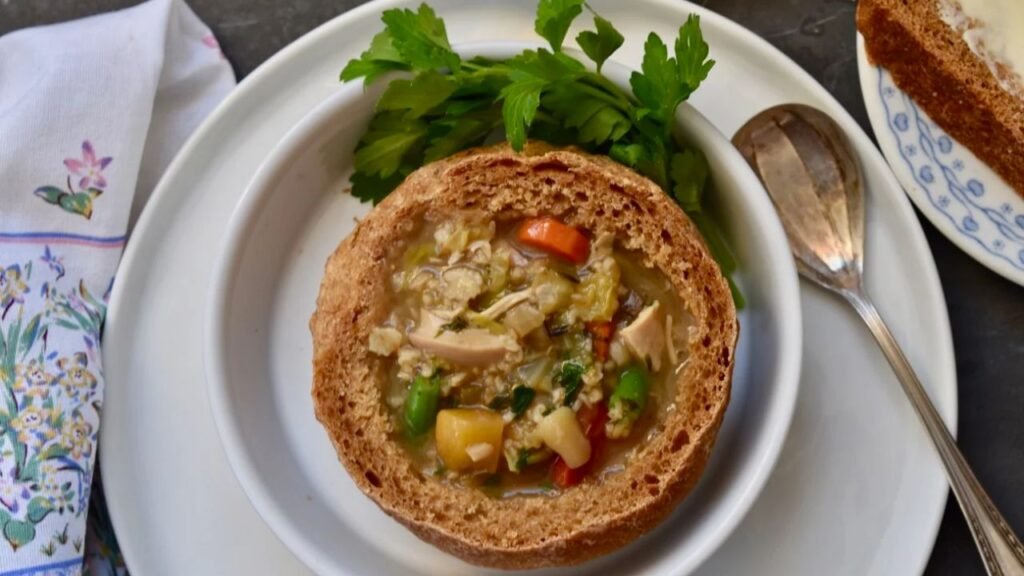
Pottage is one of the oldest and most versatile dishes in culinary history, enjoyed for centuries as a hearty, nourishing meal. Made with a combination of vegetables, grains, herbs, and sometimes meat, this simple one-pot dish has evolved across different cultures while retaining its comforting appeal. Understanding what pottage is offers a fascinating glimpse into traditional cooking methods and the resourcefulness of earlier generations.
Although pottage originated as an everyday staple during medieval times, its principles remain relevant in modern kitchens. Its flexibility allows cooks to adapt the recipe based on seasonal ingredients, dietary preferences, and regional flavors. This timeless approach to cooking has helped pottage maintain its place as both a historical dish and a practical meal for today’s households.
This guide explores the rich history of pottage, the ingredients that define it, and the many ways it can be prepared. Readers will also discover how this classic dish differs from similar meals, its nutritional value, and practical tips for creating an authentic or modern version at home.
What Is Pottage and Why Has It Endured for Centuries?
Pottage is far more than an old-fashioned meal. It represents a style of cooking that values simplicity, nourishment, and making the most of available ingredients. Traditionally prepared in a single pot, pottage combines vegetables, grains, herbs, and sometimes meat into a thick, satisfying dish. Unlike many modern recipes that require specialty ingredients, pottage was designed to be practical and adaptable.
Its lasting popularity comes from its flexibility. Families could prepare it with whatever was growing in the garden or available in the pantry, creating a wholesome meal without waste. Even today, this approach appeals to people looking for budget-friendly, healthy, and comforting recipes. Whether enjoyed as a vegetarian meal or enriched with meat, pottage continues to prove that simple cooking often delivers the greatest satisfaction.
The History of Pottage From Ancient Kitchens to Medieval Europe
Early Origins of Pottage
The story of pottage stretches back thousands of years, when early civilizations first learned to simmer grains and vegetables over an open fire. Clay pots made slow cooking possible, allowing ingredients to soften gradually while developing rich flavors. Ancient communities relied on this cooking method because it required minimal equipment and made even tough vegetables and grains enjoyable to eat.
As agriculture expanded, different regions added local herbs, legumes, and seasonal vegetables to their own versions of pottage. This adaptability helped the dish spread across cultures and generations, becoming one of history’s earliest examples of comfort food.
Pottage in Medieval Europe
During the medieval period, pottage became an everyday meal across much of Europe. Farmers, laborers, and even wealthy households enjoyed it, although the ingredients often reflected social status. Ordinary families relied on oats, barley, onions, peas, cabbage, and herbs, while wealthier kitchens included meat, spices, and richer broths.
A popular story among food historians tells of a medieval village where a large pot simmered over the hearth from morning until evening. Family members would add fresh vegetables or leftover meat throughout the day, creating a meal that evolved with every serving. This tradition highlights the resourcefulness that made pottage a staple for centuries.
What Ingredients Are Traditionally Used in Pottage?
Essential Ingredients
Traditional pottage begins with a handful of simple ingredients that work together beautifully. Root vegetables such as carrots, turnips, and parsnips provide sweetness, while onions and garlic build flavor. Grains like barley or oats create the thick texture that distinguishes pottage from lighter soups. Peas, beans, or lentils add protein and make the dish more filling.
Fresh herbs, including parsley, thyme, and sage, contribute aroma without overwhelming the natural taste of the vegetables. Depending on local traditions, small amounts of beef, lamb, chicken, or bacon might also be included for extra richness.
Modern Ingredient Variations
Today’s cooks enjoy far greater flexibility. Vegetarian pottage can feature mushrooms, chickpeas, quinoa, or sweet potatoes, while vegan versions replace meat stock with flavorful vegetable broth. Seasonal produce such as squash, kale, spinach, or zucchini allows the recipe to change throughout the year.
Many home cooks also experiment with herbs and spices to suit modern tastes. Although the ingredients may differ from medieval recipes, the spirit of pottage remains the same: creating a nourishing meal from wholesome, accessible foods.
How to Make Pottage Step by Step
Making homemade pottage is surprisingly straightforward. Begin by gently sautéing onions, garlic, and herbs in a little oil or butter until fragrant. Add chopped root vegetables, followed by barley or another preferred grain. Pour in vegetable or meat stock and allow everything to simmer.
After about 45 to 60 minutes, the grains become tender and naturally thicken the broth. If using cooked meat or leafy greens, stir them in during the final minutes of cooking. Taste and adjust the seasoning with salt, pepper, and fresh herbs before serving.
A home cook once shared that the first attempt at making pottage happened during a cold weekend using only leftover vegetables from the refrigerator. The result was unexpectedly flavorful, proving that this ancient recipe still fits perfectly into modern kitchens where reducing food waste is an added benefit.
Pottage vs Soup vs Stew: What Is the Difference?
Although these dishes may appear similar, each has its own characteristics. Pottage is generally thicker than soup but often lighter than a traditional stew. The grains used in pottage naturally create a creamy consistency without relying on cream or flour.
Soup usually contains more liquid and focuses on broth, while stew often features larger portions of meat cooked slowly until tender. Pottage emphasizes grains and vegetables working together as the foundation of the meal.
People also confuse pottage with porridge. While porridge primarily consists of cooked grains for breakfast, pottage includes vegetables, herbs, and sometimes meat, making it a complete savory meal. Understanding these differences helps appreciate why pottage occupies its own unique place in culinary history.
Is Pottage Healthy? Nutritional Benefits and Value
Pottage is naturally rich in nutrients because it combines several healthy food groups in one dish. Vegetables provide vitamins, minerals, and antioxidants, while grains contribute complex carbohydrates that release energy gradually. Beans and lentils offer plant-based protein and dietary fiber that support digestion and promote fullness.
The recipe can also be adjusted to suit different dietary needs. Using lean meat or keeping the dish entirely vegetarian makes it suitable for a wide range of eating habits. Because pottage relies on fresh ingredients rather than processed foods, it is often lower in unhealthy fats and additives than many convenience meals.
This combination of nutrition, affordability, and flexibility explains why pottage continues to appeal to health-conscious families today.
Popular Pottage Variations Around the World
Different countries have developed their own versions of pottage while preserving its essential character. Irish pottage often includes barley, potatoes, cabbage, and fresh herbs. English medieval pottage traditionally relied on seasonal vegetables and oats or barley simmered over an open hearth.
Vegetarian pottage has become increasingly popular, using lentils, mushrooms, beans, and colorful vegetables to create a filling meat-free meal. Vegan recipes replace dairy and meat products entirely while maintaining the hearty texture that defines pottage.
Modern cooks have also adapted the dish for slow cookers and pressure cookers, making preparation even easier. Despite these innovations, every variation celebrates the same principle of transforming simple ingredients into a comforting meal.
Tips for Cooking the Perfect Pottage
Creating excellent pottage starts with fresh, high-quality ingredients. Root vegetables should be firm, herbs fragrant, and grains properly stored for the best flavor. Slow cooking is equally important because it allows every ingredient to release its natural taste into the broth.
Avoid adding too much liquid at the beginning, as pottage should remain thick rather than watery. If the mixture becomes too dense, additional stock can always be stirred in later. Fresh herbs added just before serving brighten the overall flavor.
Pottage also stores exceptionally well. Refrigerated leftovers often taste even better the next day because the flavors continue to develop. It freezes successfully for several months, making it an excellent choice for meal preparation and busy schedules.
Frequently Asked Questions
What is pottage made of?
Traditional pottage usually includes vegetables, grains such as barley or oats, herbs, broth, and sometimes meat or legumes.
Is pottage the same as stew?
No. Pottage is typically grain-based and slightly thinner than stew, while stew usually contains larger pieces of meat and vegetables.
Can pottage be vegetarian?
Yes. Many modern recipes use beans, lentils, mushrooms, and vegetable stock to create a delicious vegetarian pottage.
Why was pottage important in medieval times?
It was affordable, nutritious, and easy to prepare using locally available ingredients, making it an everyday meal for many households.
Can pottage be frozen?
Absolutely. Once cooled completely, pottage can be frozen in airtight containers and reheated whenever needed without losing much of its flavor.
Conclusion
Pottage has survived centuries because it offers something every generation appreciates: nourishing food made from simple ingredients. From its ancient origins to its role in medieval kitchens and its place in modern homes, this classic dish demonstrates how practical cooking can also be deeply satisfying. Its flexibility allows endless variations while preserving the comforting qualities that made it famous. Whether prepared using a traditional recipe or updated with contemporary ingredients, pottage remains a wholesome one-pot meal that celebrates history, sustainability, and good home cooking in every bowl.
