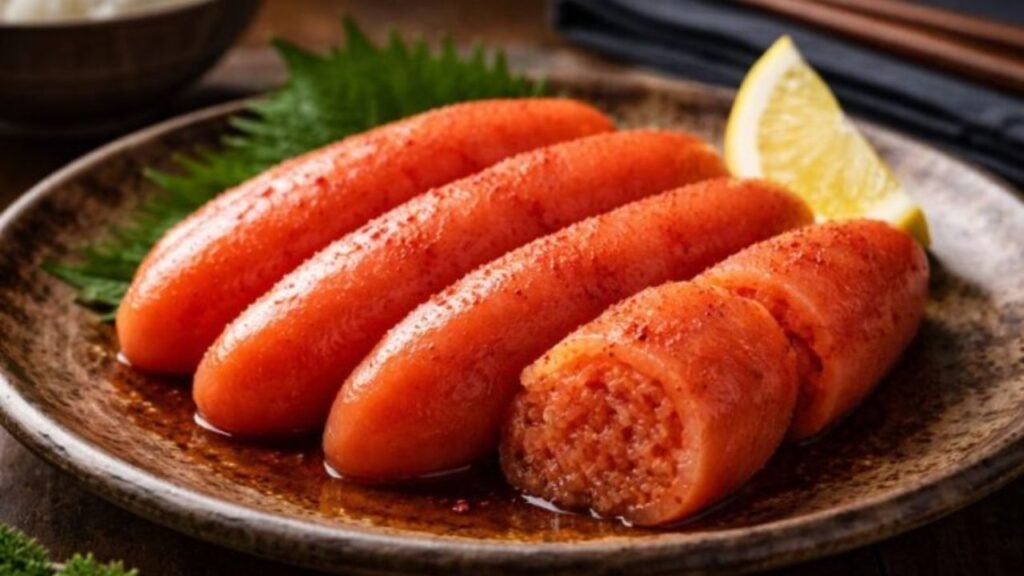
Mentaiko is a unique Japanese delicacy that regularly surprises first-time tasters, and plenty of humans searching for “What Does Mentaiko Taste Like? A Complete Beginner’s Guide” are curious about its actual taste experience. At first glance, it can appear simple, but its taste profile is a bit more complicated than most expect. This curiosity is exactly what makes it a popular aspect in Japanese cuisine.
For beginners, mentaiko is often described as a flavorful combination of salty, savory, and barely spicy notes, with a rich umami intensity that lingers on the palate. It is crafted from seasoned fish roe, which gives it a wonderful texture—tender yet slightly popping—that contributes to the overall consumption experience. The balance between warmth and brininess is what sets it apart from similar seafood merchandise.
Because of its formidable yet approachable taste, mentaiko has come to be a favourite in dishes like pasta, rice bowls, and even toast. Food enthusiasts around the sector are an increasing number of coming across it, not only for its taste but also for its versatility. Understanding its flavor is the first step to appreciating why it holds such an essential place in Japanese food tradition.
What Is Mentaiko? (Mentako, which means Japanese highly spiced cod roe)
Mentaiko is a famous Japanese delicacy made from the roe (eggs) of pollock fish that has been marinated in salt, spices, and seasonings. It is carefully associated with Japanese cuisine, mainly in regions like Fukuoka, in which it has come to be a cultural distinctiveness. While it may look easy at the beginning, mentaiko incorporates a deep culinary identity rooted in lifestyle and craftsmanship.
Unlike ordinary fish roe, which is best salted, mentaiko is seasoned with chili peppers and different taste enhancers, giving it a highly spiced profile. The roe is commonly encased in a thin membrane that bursts gently whilst being eaten, liberating its rich, savory flavor.
This unique preparation is what makes mentaiko stand out amongst seafood merchandise. It isn’t simply a factor—it is a cultural food item loved in regular meals, gourmet dishes, and present-day fusion delicacies throughout Japan and beyond.
What Does Mentaiko Taste Like? (Mentaiko flavor, flavor profile of spicy roe)
The flavor of mentaiko is frequently described as a layered mixture of saltiness, umami intensity, and gentle spiciness. At first, there may be a savory seafood richness that quickly develops into a slight chili warmth. It isn’t overwhelmingly warm, but rather balanced in a way that complements the natural taste of the roe.
The texture performs a primary role in the enjoyment. Each tiny roe bead offers a soft “pop, ” releasing bursts of briny taste. This contrast between a clean membrane and grainy insides creates a unique mouthfeel that many first-time eaters find surprising.
Overall, mentaiko grants a formidable but subtle flavor. It is wealthy enough to stand out in easy dishes like rice or pasta, but balanced sufficient no longer to overpower other components. This balance is what makes it a favourite in both traditional and modern Japanese cooking.
Mentaiko vs Tarako: Key Differences (Spicy vs non-spicy roe contrast)
Mentaiko and tarako are frequently confused because they come from the identical sort of fish roe; however, their seasoning and flavor profiles are quite specific. Tarako is the less complicated version, commonly cured best with salt, giving it a mild, smooth seafood taste. It is tender, subtle, and less excessive.
Mentaiko, on the other hand, is seasoned with chili pepper and spices, resulting in a more complicated and highly spiced taste. This makes it more appropriate for formidable dishes like pasta sauces or flavored rice bowls.
Visually, tarako is normally faded red, whilst mentaiko has a deeper reddish-orange hue due to the chili seasoning. In cooking, tarako is regularly utilized in conventional Japanese breakfasts, whilst mentaiko is desired in contemporary fusion recipes. Understanding this distinction helps novices select the right type, relying on their taste choices.
How Mentaiko Is Made (Production system of Japanese cod roe)
The manner of creating mentaiko begins with deciding on extraordinary pollock roe, which is carefully cleaned and prepared. The freshness of the roe is critical because it, without delay, influences the very last flavor and texture.
Once cleaned, the roe is cured in salt to hold it and enhance its natural umami taste. After this initial stage, it’s further marinated in a mix of chili peppers, spices, and now and again sake or other seasoning agents. This is where mentaiko develops its signature spicy and savory profile.
The roe is then aged for a particular period, permitting the flavors to fully penetrate every egg sac. This careful method calls for precision and enjoyment, as even slight variations can affect the final product. The result is a deeply flavorful component that reflects each traditional strategy and modern culinary refinement.
Popular Ways to Eat Mentaiko (Mentaiko recipes, rice bowls, pasta, toast)
Mentaiko is fairly flexible and can be enjoyed in many one-of-a-kind ways. One of the most famous dishes is mentaiko pasta, wherein the roe is mixed with butter or cream to create a rich, savory sauce. It is also commonly served over hot rice, called mentaiko don, which highlights its herbal taste.
In Japanese families, mentaiko is often used as a filling for onigiri (rice balls) or mixed into mayonnaise for spreads and dips. It can also be loved on toast, where its creamy, highly spiced taste pairs notably well with bread.
A small personal story often shared by food fanatics entails first trying mentaiko pasta at a small Tokyo café. The surprising combination of creamy sauce and highly spiced roe leaves an enduring impact, turning skeptics into lovers. This versatility is exactly why mentaiko has emerged as a global favorite.
Mentaiko Pasta: Why It’s So Popular (Japanese fusion pasta dish)
Mentaiko pasta is one of the most well-known modern dishes presenting this factor. Its popularity comes from the proper balance between creamy Western-style pasta and the salty, umami-rich Japanese roe. The sauce is typically made by blending mentaiko with butter, cream, or olive oil, developing a clean and flavorful coating for noodles.
What makes it special is its simplicity. Even with only a few ingredients, the dish gives you an eating place experience at home. The highly spiced notes from mentaiko run through the richness of the cream, preventing it from feeling too heavy.
It is likewise a notable example of Japanese fusion cuisine, where conventional ingredients are adapted into global meal styles. Today, mentaiko pasta is served in cafés, restaurants, and domestic kitchens worldwide, proving how flexible this aspect genuinely is.
Nutritional Value and Health Considerations (Is mentaiko healthy?)
Mentaiko is a nutrient-rich meal that provides a terrific quantity of protein and critical omega-three fatty acids, which are useful for cardiovascular and brain health. Because it comes from fish roe, it evidently incorporates critical vitamins and minerals that are natural nutrients.
However, it is also tremendously high in sodium because of the curing technique. This approach should be eaten sparingly, especially for people who are monitoring their salt consumption. Despite this, it remains a treasured part of a balanced weight loss plan when consumed responsibly.
Many health-conscious eaters appreciate mentaiko for its mixture of flavor and nutrients. It permits people to experience a rich taste without relying closely on processed ingredients, making it a clever addition to various meal plans.
How to Store Mentaiko Properly (Storage guidelines, frozen mentaiko shelf life)
Proper storage is important to preserve the freshness and taste of mentaiko. When stored in the refrigerator, it should ideally be eaten up within a few days to a week, depending on packaging and freshness at purchase.
For longer storage, freezing is suggested. Mentaiko may be divided into small portions and frozen to maintain its fine texture. When needed, it has to be thawed slowly inside the refrigerator or at room temperature to retain its texture.
It is essential to keep away from repeated freezing and thawing, as this could harm the roe’s sensitive shape. Proper storage ensures that the taste remains intact and the texture remains exciting even after preservation.
Is Mentaiko Spicy? Beginner Expectations (Spice degree of mentaiko)
One of the most commonplace questions beginners ask is whether or not mentaiko is truly highly spiced. The solution relies upon the type and brand; however, in standard, it has a slight to mild level of heat. The spice is not overpowering; rather provides intensity to the general flavor.
Japanese versions tend to be milder in comparison to a few international variations, which might also have a more potent chili kick. This makes it available even for folks who aren’t used to spicy meals.
For first-time eaters, mentaiko often feels more savory than highly spiced. The heat builds slowly and blends with the umami richness, developing a balanced flavor to enjoy as opposed to a pointy burn.
FAQs
Is mentaiko uncooked or cooked?
Mentaiko is generally cured, not fully cooked, but it’s much safer to eat as it is preserved through salting and seasoning.
What fish is used in mentaiko?
It is made from the roe of pollock fish.
Is mentaiko very highly spiced?
No, it typically has a moderate spice level depending on the guidance.
Can mentaiko be eaten at any point in pregnancy?
It is suggested to consume it sparingly and seek advice from nutritional experts due to its raw-cured nature.
What is the distinction between mentaiko and caviar?
Mentaiko is seasoned fish roe, while caviar is commonly unseasoned sturgeon roe with an extraordinary flavor profile.
